INCABLOG 1 - AREQUIPA AND COLCA CANYON
Arequipa, La Ciudad Blanca, is a beautiful city, mostly built out of the white sillar stone, which is compressed volcanic ash. It gives off a lovely yellow color at dusk. Most of the old buildings are made of sillar. The Plaza des Armas is surrounded by colonial buildings, including a gorgeous cathedral. Two sides of the plaza have restaurants on the upper terraces, so you can sip a mate de coca and gaze out over the square with all the hussle and bustle. The day we arrived (after a very long flight and 8 hours in the Lima airport, four of which we had to sleep on the floor as there are no chairs) was national flag day and there was a great parade around the plaza. This included a big army band with a 21 gun salute, speeches by the local dignitaries, and kids marching around in their school colors. The army did this kind of a Nazi goosestep, which was a little unnerving. There were some very cute little kids, the girls dressed as flowers and the boys as lions and tigers. On top of the city hall were three snipers, just in case someone got out of line.
Arequipa is surrounded by three huge volcanoes, each around 6000 meters. One of them, Misti, is still active and blows every once in awhile. They give a lovely backdrop to this beautiful city. To better see the surroundings and since Amy wanted to see some childhood haunts (she lived here in the mid 60s when her dad was a professor at the University here), we hired Angel, a very nice driver. The highlight for me was lunch at Tingo, a place where they have a little festival every Sunday and serve anticuchos, which are delicious grilled beef hearts, and banuelos, which are very light deep fried Peruvian donuts, with a sweet syrup on top. We were the only gringos in the whole place, which was great. We also visited an old mill that Amy and her family used to come out to to have picnics. Now the place has been totally restored and you have to pay a $1 entry fee. Later that afternoon, we walked a few blocks from the hotel to see the house Amy and her family lived in for the two years they were here. A lovely house indeed, with a large jacaranda in full bloom in the front yard. Across the street is a fancy hotel, where, 40 years ago, Amy used to go and pet their Galapagos tortoise, which at that time they claimed was 100 years old. Well, what do you know, but the old boy is still there, just lounging around eating carrots.

For dinner that night, we went to a place that serves Arequipan specialties. My favorite was rocotta relleno, which is a pepper stuffed with meat, cheese and spices. We also had a shrimp ceviche (ceviche is orignally a Peruvian dish), a sopa criolle (chicken soup) and the national cocktail, a pisco sour.
The next day we took a two day tour to Colca Canyon, the worlds deepest canyon and the place to see the one of the worlds largest birds, the Andean Condor. It was a 6 hour ride to Chivay, the town everyone stays in. On the way, we saw herds of vicunas, a camelid that roams this area. The vicuna is prized for its pelt, probably the softest anywhere. A scarf made out of vicuna wool sells for about $600. They have not been domesticated, like the llama and the alpaca, which accounts for the pricey wool. There were also herds of alpaca and llama on the alti plano, the high, very dry plane of this area. The only vegetation is this kind of grassy bush and the yareta, a very strange plant that looks like a large mossy rock and can live for centuries. Right outside of Chivay, we went over a pass that is 4910 meters, about 16,000 feet. I think that is the highest I have ever been and breathing was a bit hard. The view into Chivay is incredible, mostly because of the thousands of pre Inca terraces that line the valley. These terraces are amazing as there are so many of them, literally thousand and thousands down the canyon. Sometimes you can see abandoned terraces hundreds of feet up the canyon walls. We took a 2 hour walk that went through these terraces, many still in use. Way back, in the pre Inca days, there were more than 60,000 people in this valley.

Our tour group were all pretty dusty by this time, so we went to the local hot springs and took a swim, which was wonderful! For dinner, we had a show of local musicians playing traditional Andean songs and dancers who danced local dances. Traditions in the Colca Valley are very much alive, women still dress in costume, which is a blouse, dress and hat with embroidery all over them.

The next morning, we were off on the bus to Cruz de Condor, which is the spot you watch the condors from and is one of the deeper parts of the canyon. When we got there, there was a juvenile condor sitting on a rock right in front of us. He was HUGE and quite ugly. He was just sitting there with all these tourists snapping their pictures. We walked to a lower part of the place and finally saw a couple of condors flying around, but only for a few seconds. There are supposed to be around 35 of these birds here, but we only saw the three. After a couple of hours here, we headed back to Chivay for a buffet lunch, that included trout ceviche, alpaca meat, deep fried quinoa balls, rocotta relleno and a dessert made out of quinoa that had some sort of cream. Quinoa is the local grain that has been farmed here for thousands of years and is one of the staples of the Andean people. We then took the long, bumpy ride back to Arequipa.
Dinner on the rocks! Yes, last night, we had dinner at a restaurant that serves pre Incan cuisine. They actually cook on large river rocks. I had these wonderful shrimp, coated with some herbs. They actually bring two large, very hot rocks to your table, covered with the shrimps! The side dish consisted of 6 different kinds of potatoes, including two that were freeze dried. This is how the old timers used to keep their potatoes through the year. Apparently, a freeze dried potato will be just fine for 15 years or more. I also had chicha, the famous Peruvian beer made out of corn. Very tasty, a bit sweet.
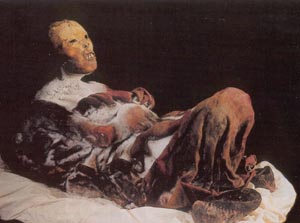
Today we will see Juanita, a 500 year old mummy of a 12 year old Inca girl, found on top of a 6000 foot volcano a few years ago. These young girls were sacrificed to the mountain gods.

Today is our last day in Arequipa, tomorrow we head for Lake Titicaca for a couple of days, then on to Cusco and the Inca Trail. I will try to post before we head on the trail.
Arequipa is surrounded by three huge volcanoes, each around 6000 meters. One of them, Misti, is still active and blows every once in awhile. They give a lovely backdrop to this beautiful city. To better see the surroundings and since Amy wanted to see some childhood haunts (she lived here in the mid 60s when her dad was a professor at the University here), we hired Angel, a very nice driver. The highlight for me was lunch at Tingo, a place where they have a little festival every Sunday and serve anticuchos, which are delicious grilled beef hearts, and banuelos, which are very light deep fried Peruvian donuts, with a sweet syrup on top. We were the only gringos in the whole place, which was great. We also visited an old mill that Amy and her family used to come out to to have picnics. Now the place has been totally restored and you have to pay a $1 entry fee. Later that afternoon, we walked a few blocks from the hotel to see the house Amy and her family lived in for the two years they were here. A lovely house indeed, with a large jacaranda in full bloom in the front yard. Across the street is a fancy hotel, where, 40 years ago, Amy used to go and pet their Galapagos tortoise, which at that time they claimed was 100 years old. Well, what do you know, but the old boy is still there, just lounging around eating carrots.

For dinner that night, we went to a place that serves Arequipan specialties. My favorite was rocotta relleno, which is a pepper stuffed with meat, cheese and spices. We also had a shrimp ceviche (ceviche is orignally a Peruvian dish), a sopa criolle (chicken soup) and the national cocktail, a pisco sour.
The next day we took a two day tour to Colca Canyon, the worlds deepest canyon and the place to see the one of the worlds largest birds, the Andean Condor. It was a 6 hour ride to Chivay, the town everyone stays in. On the way, we saw herds of vicunas, a camelid that roams this area. The vicuna is prized for its pelt, probably the softest anywhere. A scarf made out of vicuna wool sells for about $600. They have not been domesticated, like the llama and the alpaca, which accounts for the pricey wool. There were also herds of alpaca and llama on the alti plano, the high, very dry plane of this area. The only vegetation is this kind of grassy bush and the yareta, a very strange plant that looks like a large mossy rock and can live for centuries. Right outside of Chivay, we went over a pass that is 4910 meters, about 16,000 feet. I think that is the highest I have ever been and breathing was a bit hard. The view into Chivay is incredible, mostly because of the thousands of pre Inca terraces that line the valley. These terraces are amazing as there are so many of them, literally thousand and thousands down the canyon. Sometimes you can see abandoned terraces hundreds of feet up the canyon walls. We took a 2 hour walk that went through these terraces, many still in use. Way back, in the pre Inca days, there were more than 60,000 people in this valley.

Our tour group were all pretty dusty by this time, so we went to the local hot springs and took a swim, which was wonderful! For dinner, we had a show of local musicians playing traditional Andean songs and dancers who danced local dances. Traditions in the Colca Valley are very much alive, women still dress in costume, which is a blouse, dress and hat with embroidery all over them.

The next morning, we were off on the bus to Cruz de Condor, which is the spot you watch the condors from and is one of the deeper parts of the canyon. When we got there, there was a juvenile condor sitting on a rock right in front of us. He was HUGE and quite ugly. He was just sitting there with all these tourists snapping their pictures. We walked to a lower part of the place and finally saw a couple of condors flying around, but only for a few seconds. There are supposed to be around 35 of these birds here, but we only saw the three. After a couple of hours here, we headed back to Chivay for a buffet lunch, that included trout ceviche, alpaca meat, deep fried quinoa balls, rocotta relleno and a dessert made out of quinoa that had some sort of cream. Quinoa is the local grain that has been farmed here for thousands of years and is one of the staples of the Andean people. We then took the long, bumpy ride back to Arequipa.
Dinner on the rocks! Yes, last night, we had dinner at a restaurant that serves pre Incan cuisine. They actually cook on large river rocks. I had these wonderful shrimp, coated with some herbs. They actually bring two large, very hot rocks to your table, covered with the shrimps! The side dish consisted of 6 different kinds of potatoes, including two that were freeze dried. This is how the old timers used to keep their potatoes through the year. Apparently, a freeze dried potato will be just fine for 15 years or more. I also had chicha, the famous Peruvian beer made out of corn. Very tasty, a bit sweet.
Today we will see Juanita, a 500 year old mummy of a 12 year old Inca girl, found on top of a 6000 foot volcano a few years ago. These young girls were sacrificed to the mountain gods.
Today is our last day in Arequipa, tomorrow we head for Lake Titicaca for a couple of days, then on to Cusco and the Inca Trail. I will try to post before we head on the trail.
posted by Craig and Amy at 6:36 AM


0 Comments:
Post a Comment
<< Home